Menu

The importance of dental hygiene: Keeping teeth & gums healthy

Wash Common Dental

Healthy gums are just as important as healthy teeth. Regular visits to the dental hygienist help keep both your teeth and gums healthy by removing harmful plaque and bacteria that can build up over time.

Even if your gums seem healthy, a professional cleaning can reach areas that your toothbrush might miss, especially at the back of the mouth. Hygienists can remove stubborn plaque that brushing and flossing alone cannot shift.

What is gum disease?

Gum disease is caused by plaque and bacteria building up around the gumline, triggering inflammation. Over time, this can cause the body’s immune system to attack the bone and tissues that support your teeth.

Aside from plaque, other factors that can cause gum disease include:

  • Smoking – a number of studies have found that smokers are more prone to gum disease because of the decreased blood flow to the gums due to the destruction of the blood vessels. Reduced blood flow to the gums means that a lower level of white blood cells is delivered to the gums to help fight gum disease. Smokers can experience gum disease at an accelerated rate.
  • Stress – when our immune system is stressed, it’s difficult to fight off the bacteria that cause gum disease.
  • Diabetes – diabetics are more prone to gum disease, also due to compromised blood flow to the gums.

If left untreated, gum disease can lead to bone loss and, eventually, tooth loss. Gum disease can develop without pain.

Book Treatment Back to General Dentistry


Wash Common Dental
treatment inner bg1

Gum disease is the leading cause of tooth loss in adults.

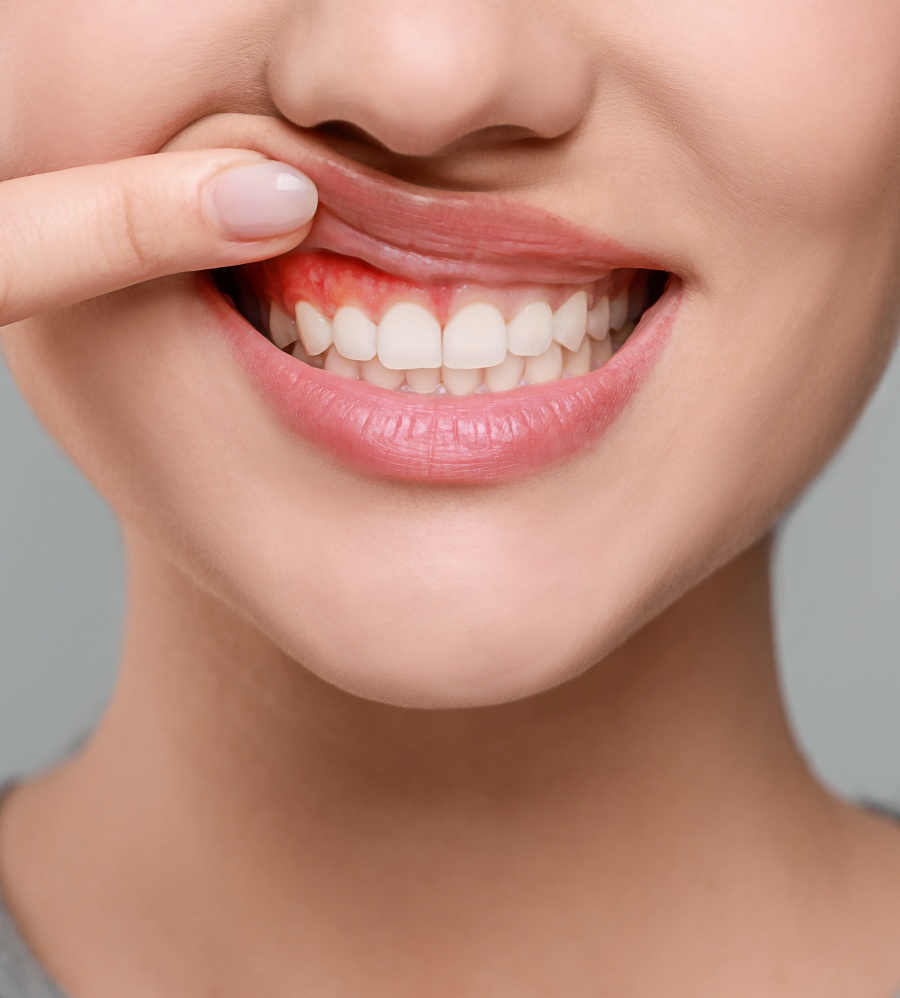
Common signs include:

  • Bleeding or soreness when you brush and floss.
  • Red, swollen or tender gums.
  • Your gums start to recede or pull away from the teeth (your teeth may look longer than they used to).
  • Pus between your gums and teeth.
  • Loose/ wobbly teeth or bad breath.
  • You have noticed a change in the way your teeth fit together when you bite.
Wash Common Dental
treatment inner bg1

Don't ignore the signs!

As well as losing teeth, gum disease can lead to a number of serious consequences, including heart disease, stroke and giving birth prematurely.

  • Gum disease can be treated and controlled with the help of your dental hygienist.
  • If you would like more information or would like to book an appointment, please feel free to call us on 01635-45876.
Get in Touch

Frequently asked questions

What is gum disease?

Gum disease falls into two categories:

  • Gingivitis – poor cleaning techniques and a lack of brushing can result in bacterial growth which causes swelling (inflammation) and bleeding of the gums.
  • Periodontal disease – this occurs when gingivitis has been left untreated and all the tissues become affected.
    As the condition gets worse, the bone of the jaw is lost and the teeth become loose and eventually fall out or have to be removed. If you think you may have gum disease, visit your dentist as soon as possible – more teeth are lost through periodontal disease than tooth decay but if caught early enough, your tooth can be saved.

What causes gum disease?

Aside from not brushing your teeth properly or often enough, there are a number of factors which can contribute to gum disease:


  • Smoking – a number of studies have found that smokers are more prone to gum disease because of the increased levels of tartar in their mouths. If you smoke, your gums are also more susceptible to disease, and you are likely to suffer more bone loss.
  • Stress – when our immune system is stressed, it’s difficult to fight off the bacteria that cause gum infections.
    Not going to the dentist – avoiding the dentist is a lifestyle choice that puts you at risk of contracting diseases of the mouth, teeth and gums.
  • Diabetes – diabetics are more prone to gum disease compared to those who don’t have it.

What are the signs of gum disease?

  • Red, swollen or tender gums.
  • Bleeding when you brush, floss or even eat.
  • Your gums start to recede or pull away from the teeth (your teeth may look longer than they used to).
  • Your teeth become loose.
  • Pus between your gums and teeth.
  • Sores in your mouth.
  • Bad breath.
  • You have noticed a change in the way your teeth fit together when you bite.

Take the next steps and book a consultation

Get in Touch

Contact

Get in touch

Wash Common Dental

Our partners

Our partners

Our partners

4.7
Google-review